Gaming and digital arts can be powerful mediums for social connection and support. Students I’ve worked with in person have coproduced this aspect of Therapeutic Teaching simply by describing what they need. Connection through game play and platforms they are most familiar with, such as Discord, enable connection that feels more autonomous and safer for many.
Individual mentoring or coaching sessions are offered for learners aged 10-25 who are struggling to manage their mental health and/or attend or engage socially or with school/college/university due to anxiety/social anxiety/burnout.

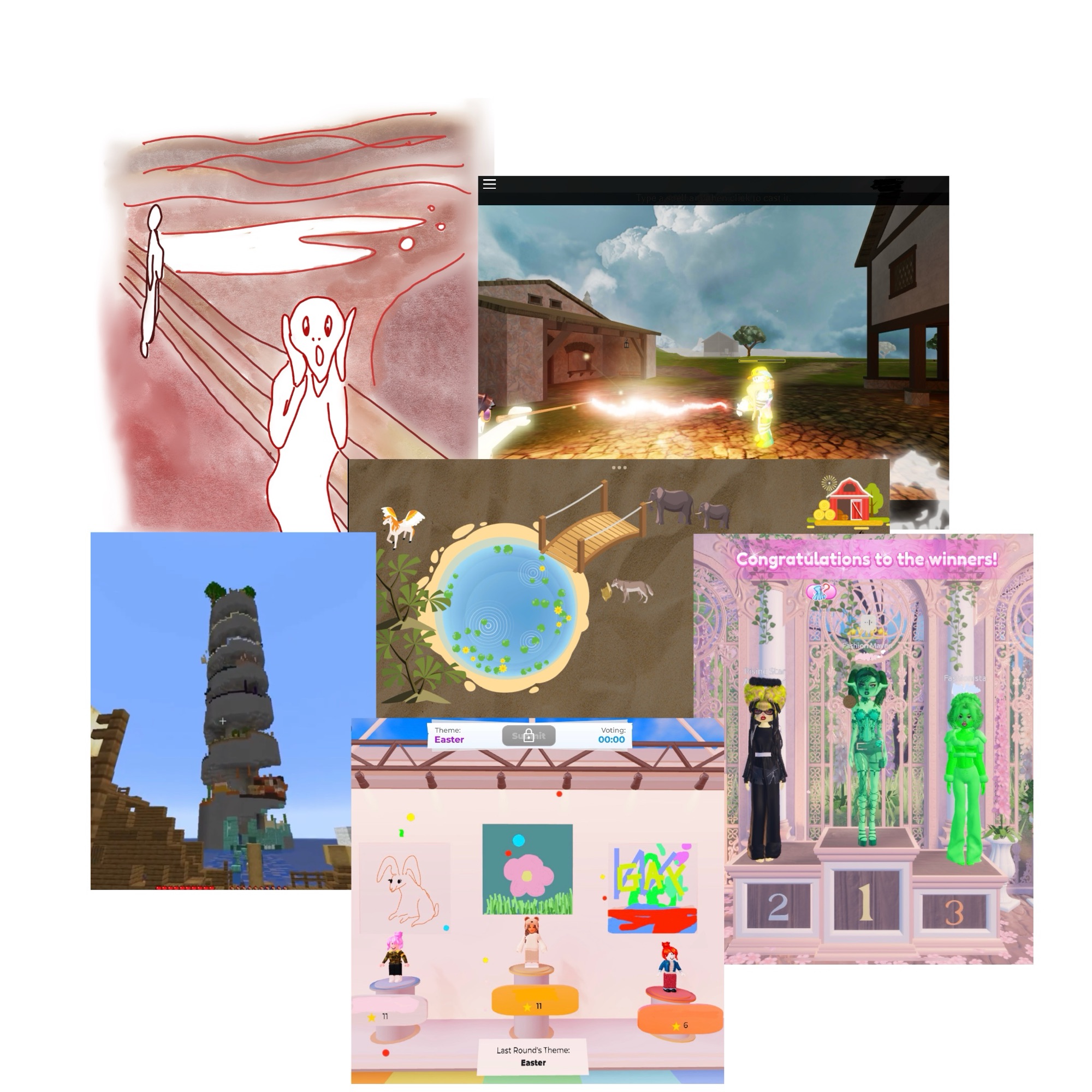
Relationship building happens through the young person’s interests. The focus is always on developing felt safety. This might be through gaming, expressive arts (using materials or digital arts) or favourite books, apps or TV shows. A typical session might include ‘hanging out’ (alongside) in a favourite Roblox game, screen sharing with an online colouring or drawing app or Procreate art. It might involve collaborative play in Minecraft or creative builds in Sim City or some relaxing diorama building in Tiny Glade. Play (not conversation) is the priority, fun with no pressure or expectations is the aim.
Each session builds on the last one, clues about best conditions for engagement provide insights into particular strengths, resilience, wishes and needs. Gradually we form a picture of optimum conditions for the young person’s social engagement. The time this takes will vary for each learner.
Drawing on elements of the Engagement Model this service offers a perspective that can support assessment and contribute towards plans that strengthen the young person’s sense of agency, interests and confidence. Practice is Polyvagal informed (through the nervous system), person centred (SEND Code of Practice) and neuro-affirming in approach. I use Clean Language coaching in methodology so that the young person and family feel at the centre of the support.
As trust is developed the young person’s own resources become clearer to them, enabling and empowering them to take small steps towards their own goals. With increased autonomy, confidence increases.
Social opportunities are encouraged when the young person is ready. The engagement plan might also be designed to support a goal to join a club, reintegrate into school or make a transition.
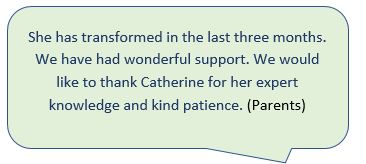
Parents/carers are supported and coached throughout to contribute to the partnership developing their skills and confidence in supporting their child’s need.
See Information for fees, policies and Contact for an informal discussion.
 Therapeutic Teaching